
August Reading Wrap-Up | StoryGraph
About stories of all kinds

There's nothing like reading to disabuse one of the notion that they are unique, alone in the universe, an anomaly unto themselves. Yet, at times, in the insulation of our own consciousness, we are inclined to imagine ourselves the sole inhabitants of the universe. In a way, we are the only inhabitor of our own… Continue reading “set down in some old book”

I don't think there is anyone quite like H.G. Wells, who can so convincingly write about fantastical impossibilities in a manner that is not only credulous but also firmly rooted in a comprehensive grasp of known science, society, and human nature. Maybe Jules Verne comes close but seems at times out of touch with human… Continue reading Strange and Hideous Dreams: The War of the Worlds Review
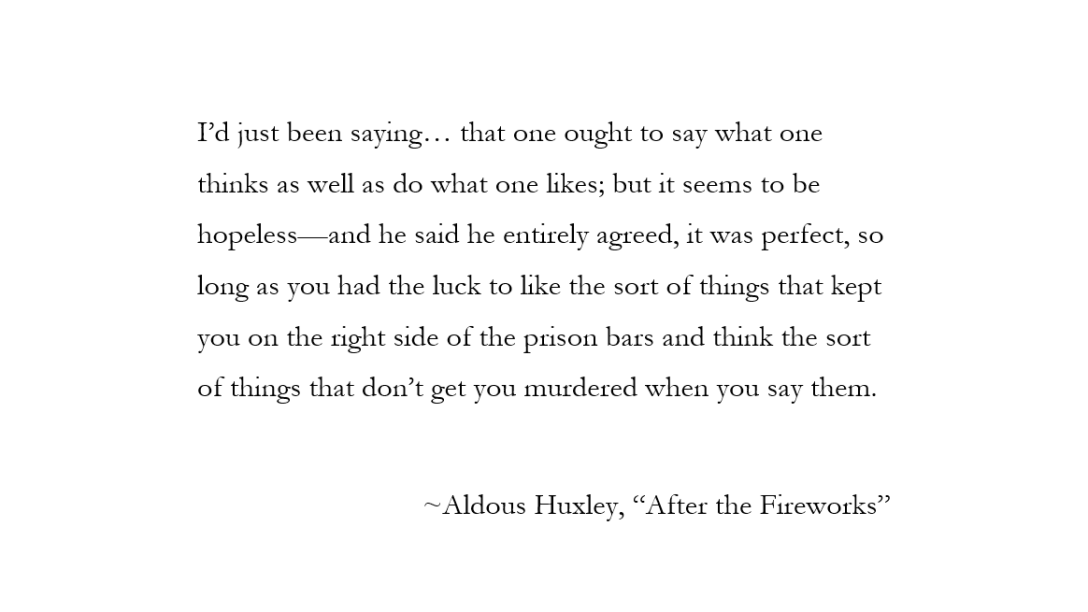
It's Aldous Huxley's 130th birthday today. He was born July 26, 1894 in England and became a respected writer and philosopher, nominated for the Nobel Prize in Literature multiple times throughout his life. Huxley's writing has insight into human nature and its social dynamics and development, from the famous Brave New World to his seemingly… Continue reading “to say what one thinks”
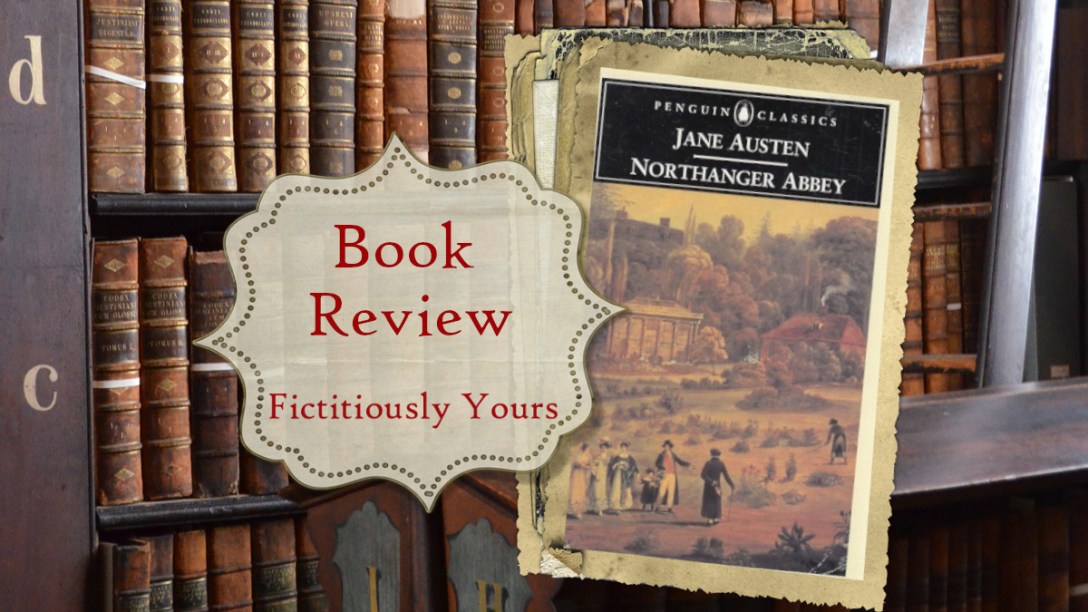
Northanger Abbey (completed 1803, published 1817) by Jane Austen I've read Northanger Abbey at least four times, if not more. I recently re-read it with my book club after we finished The Mysteries of Udolpho, which is heavily referenced in Northanger Abbey. It only gets better on re-read, I find. Due in no small part… Continue reading Two Towers, Pt. 2: Northanger Abbey
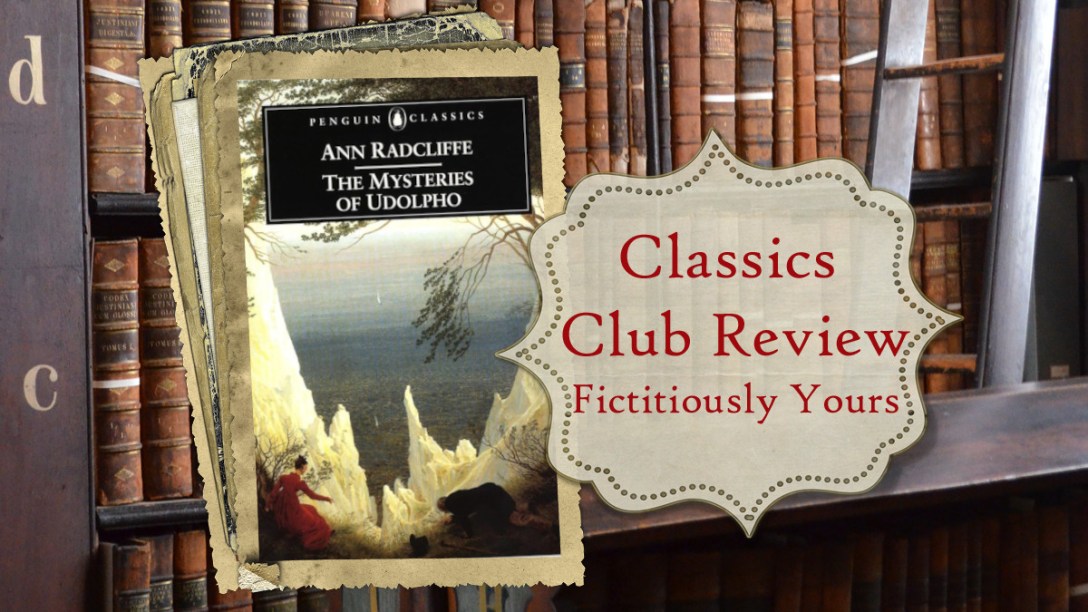
[W]hile I have Udolpho to read, I feel as if nobody could make me miserable. Oh! The dreadful black veil! -Catherine Morland in Northanger Abbey The Mysteries of Udolpho (1794) by Ann Radcliffe Since hearing about Radcliffe's influence on the gothic literary movement of the eighteenth and nineteenth centuries, I have been interested in reading… Continue reading Two Towers, Pt. 1: The Mysteries of Udolpho

As though I don't have enough books to read between my summer for-fun reads and my genre-exploring reads to find comparable books for my work in progress, I'm going to take a stab at participating in this spin. At the very least, it will keep me motivated to knock another one off the list. Logic… Continue reading Classics Club Spin #38

Ann Radcliffe, then Ann Ward, was born 260 years ago today: July 9, 1764. First published at age twenty-five, within the next ten years she became the most highly paid professional writer of the 1790s and her works had an incredible influence on popular culture, novels, and writers of that time and for many years… Continue reading ‘I can see as if in a glass’
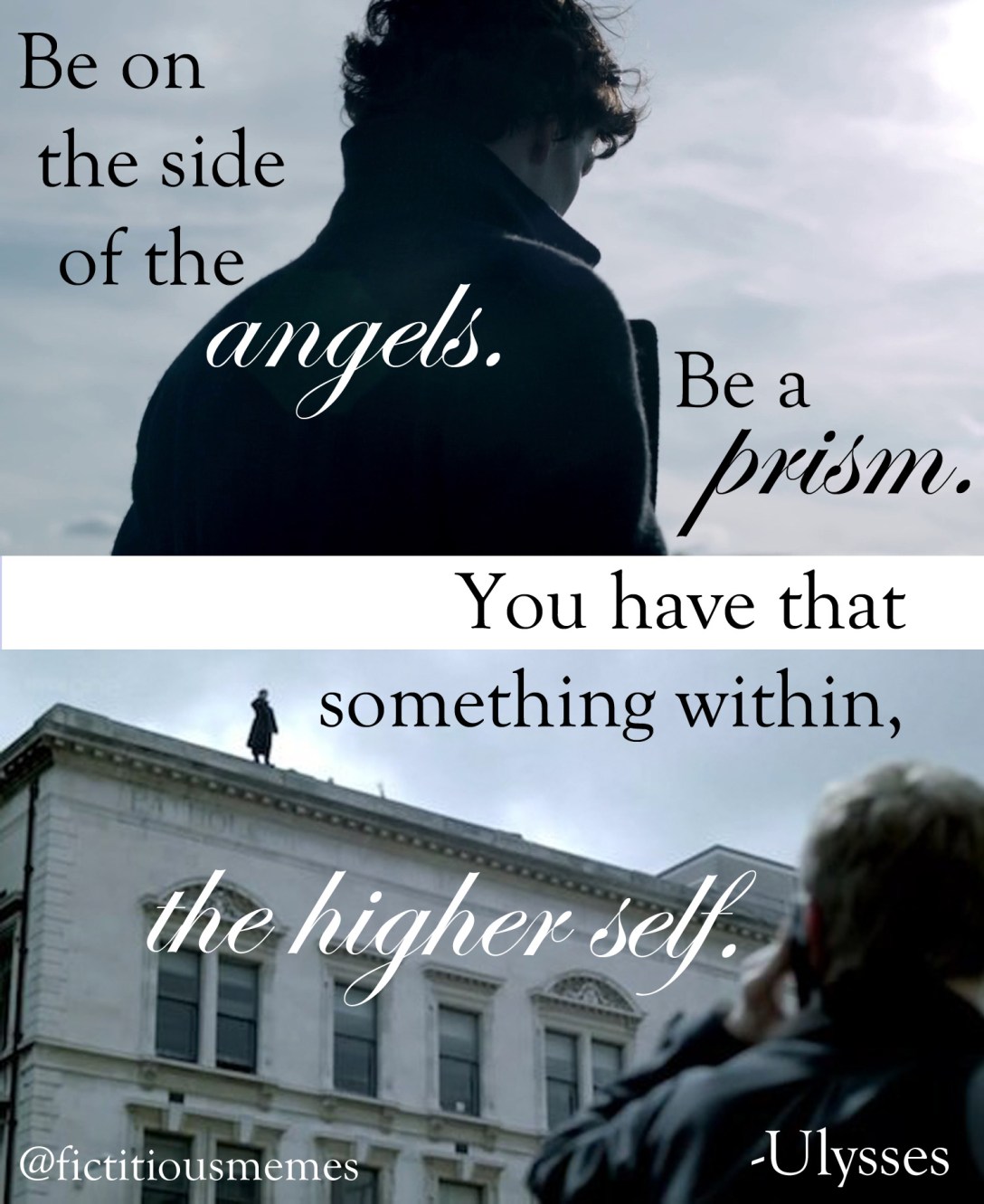
No, the title isn't a typo for "memory," though perhaps that would also be appropriate: I have for you today a Bloomsday Meme/Quote. June 16, 1904 is the setting for all 265,222 words of James Joyce's Ulysses: 120 years ago today. As a milestone anniversary, I can't very well let it go by without posting… Continue reading Bloomsday Memery: 120th Anniversary of the Events of Ulysses

The Story Through the catalyst of the Shelbys, a Kentucky family, falling into debt, the fate of their slaves changes forever. At the prospect of her young son being sold away from her, Eliza takes him and runs for Canada without fully understanding the distance or difficulties involved, trusting that her husband will come after… Continue reading Other People’s Glass Houses: Uncle Tom’s Cabin Review
 Fictitiously Yours